 Sono anni ormai che si parla di come l’evoluzione tecnologica e il web abbiano modificato l’approccio alla tutela del diritto d’autore e ancora si faticano a trovare soluzioni alle innumerevoli questioni che puntualmente si presentano a chi opera nel settore cercando in qualche modo di regolamentare e porre ordine in un ambito che, finora, è sempre stato restio a essere ingabbiato in maglie giuridiche troppo strette.
Che si parli di filesharing, di elaborazione dei contenuti, di user generated content e di nuovi modelli di business alternativi a quelli tradizionali, lo scoglio contro cui queste problematiche vanno regolarmente a infrangersi è sempre e solo uno: l’inevitabile lentezza del diritto d’autore e del mercato discografico ad adattarsi a situazioni sempre nuove e inedite.
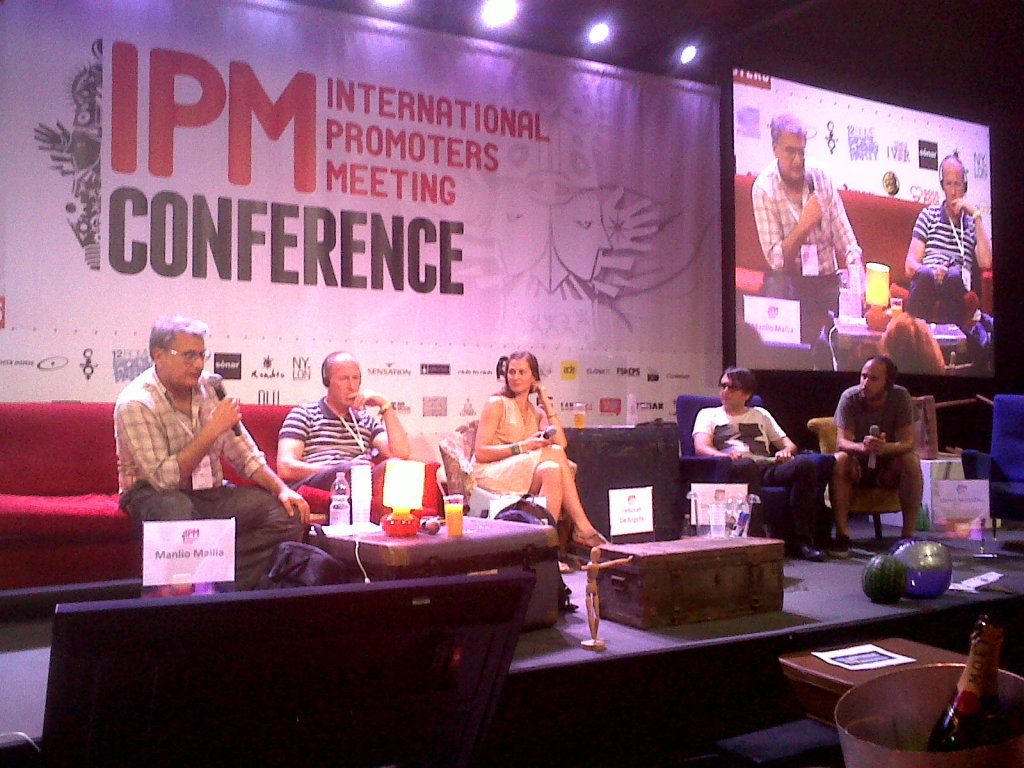
Proprio di queste problematiche si è discusso sabato 14 luglio a Roma, nell’ambito dell’IPM 2012 (International Promoters Meeting), durante il convegno dal titolo “It’s all about rights, right? A worldwide Copyright Picture in the Digital Age”, dove si sono potute analizzare approfonditamente alcune questioni legate alla tutela del diritto d’autore digitale in ambito musicale e, in particolar modo, per quel che concerne il ruolo delle società di gestione collettiva.
Nella suggestiva cornice della Pelanda, all’interno della sede del Macro dell’ex Mattatoio di Testaccio, l’avvocato Deborah De Angelis ha moderato l’incontro che ha visto come punto centrale e spunto di riflessione il keynote del prof. Bernt Hugenholtz, direttore dell’Institute for Information Law presso l’Università di Amsterdam.
It’s been common, in the last years, to discuss about how the technological evolution and the web have changed the approach to the protection of copyright.
Prima dell’intervento del prof. Hugenholtz, Renato Tanchis, Catalogue e Strategy Marketing di Sony Italia, ha dato il via all’incontro illustrando lo stato dell’arte del mercato discografico e i cambiamenti che tale ha dovuto affrontare e sta tuttora affrontando: Tanchis ha parlato dei nuovi modelli di business che l’industria musicale deve attuare per far fronte ai cambiamenti avvenuti nel settore e come in molti casi queste strade, seppur ancora poco battute, si rivelino essere vincenti e remunerative.
La ricerca di nuove soluzioni per il mercato discografico risulta essere necessaria, come afferma Tanchis, soprattutto nel caso in cui l’industria sia capace di reinventarsi attraverso modelli sostenibili e mettendo al centro la figura dell’artista a 360°, attraverso l’organizzazione di live performance, endorsement, product placement e operazioni commerciali con grandi aziende (come ad es. l’accordo della Sony- StarZone con la catena di supermercati Esselunga, in modo tale da permettere ai clienti la possibilità di scaricare musica mp3 gratis dal sito a chi sia in possesso del codice ottenuto attraverso gli acquisti presso il supermercato).
L’intervento del prof. Hugenholtz si è, invece, concentrato in primo luogo sulla proposta di direttiva della Commissione europea in merito alla regolamentazione delle società di gestione collettiva per poi spostare il discorso verso gli ipotetici e futuri sviluppi per quel che riguarda la tutela del diritto d’autore, con particolare attenzione verso le opportunità che offre il web.
La prima parte dell’intervento di Hugenholtz si è focalizzata sui due scopi principali della proposta di direttiva, ovvero il bisogno di efficienza e trasparenza nelle società di gestione collettiva e la promozione di licenze multi-territoriali per ciò che concerne i servizi musicali online.
Sul piano dell’efficienza, Hugenholtz ha evidenziato come la possibilità per gli autori di scegliere eventualmente la società di gestione che più loro aggrada in qualsiasi paese dell’Unione europea, potrebbe essere una soluzione valida per aumentare la competitività. Resta poi cruciale l’obbligo per le società stesse di operare con la massima trasparenza e prudenza, in particolar modo per quel che riguarda la spinosa questione relativa alla ripartizione dei compensi: stessa trasparenza e “onestà” deve anche essere applicata nei rapporti con gli associati per quanto riguarda soprattutto la buona fede nella trattativa per le licenze e sul calcolo delle tariffe, che devono basarsi su criteri oggettivi.
La proposta di direttiva, come ha fatto notare il prof. Hugenholtz, vorrebbe poi indirizzarsi verso l’eventualità di istituire una serie di licenze multi-territoriali, soprattutto in merito alla possibilità di usufruire di materiale musicale online: va da sé che il punto di forza di questo impianto sarebbe proprio il raggiungimento, da parte di ciascuna società di gestione collettiva, di un requisito minimo di standard che andrebbe rispettato e, in particolare, per quanto riguarda la ripartizione dei compensi a favore dei titolari dei diritti che dovrebbe essere tempestiva e corretta.
Ciò che però la direttiva non risolverà, sempre secondo il parere del prof. Hugenholtz, è proprio il problema delle continue violazioni del diritto d’autore in ambito online: né un modello simile a quello di Hadopi, né il monitoraggio della rete e nemmeno il controllo dei dati personali degli utenti da parte dei provider possono essere considerate delle valide soluzioni alla questione.
È proprio questo tipo di limitazione che non riesce a trovare una sua efficacia nell’universo della rete e le reazioni ad ACTA a questo proposito sono esplicative: ciò che Hugenholtz auspica sono modelli di business alternativi e innovativi che vengano incontro alle esigenze reali degli utenti della rete (ad esempio educare questi ultimi alla percezione che i compensi versati per la fruizione di un brano vanno per la maggior parte a favore del creatore dell’opera, che è il sistema che Lionel Marciano ha elaborato per la sua piattaforma Moozar).
Ciò su cui ha posto però l’attenzione l’avv. De Angelis è il fatto che la proposta di direttiva non si sia spinta sino al punto di temperare l’esclusività del rapporto imposto ai propri membri da parte delle società di gestione collettiva europee, lasciando in tal modo un gap tra il sistema di gestione statunitense con quello europeo. Tale limitazione non è di poco conto, in quanto non consente a un autore la gestione “opera per opera” del proprio catalogo per diversificare le modalità di fruzione e di sfuttamento economico e/o promozionale delle opere.
È dunque possibile ipotizzare un futuro dove il filesharing possa essere legale? Secondo il prof. Hugenholtz questo scenario sarebbe auspicabile, mediante l’adozione di una serie di licenze che legalizzino il download e/o lo streaming attraverso le reti P2P per scopi personali e non commerciali, in modo poi da calcolare un compenso da applicare agli abbonamenti con i service provider da ripartire fra gli autori e i titolari dei diritti.
Tuttavia, questo panorama è di difficile realizzazione, proprio a causa dell’impianto europeo del diritto d’autore che non permette una simile soluzione, stante il divieto di imporre delle limitazioni al diritto esclusivo di comunicazione al pubblico ex lege.
Resta allora la strada delle cosiddette voluntary collective licensing, con le quali a fronte del pagamento di una quota leggermente superiore al canone base per la connessione, l’utente si troverebbe a poter scaricare e usufruire di tutte le opere musicali che desidera, consentendo, allo stesso tempo, il riconoscimento economico a favore dei titolari dei diritti.
Concorde verso questa visione della questione anche il M°. Louis Siciliano, che non solo ha ribadito come il mercato musicale debba adeguarsi sempre più alle nuove esigenze e abitudini del proprio pubblico, ma ha confermato, attraverso la sua testimonianza di autore, come le innovazioni tecnologiche abbiano in realtà influito sul suo stesso processo di creazione musicale.
Il progresso tecnologico è un fenomeno che ha sempre avuto delle ripercussioni fortissime in ambito musicale: il Maestro Siciliano ha ricordato infatti come uno strumento oggi considerato classico come il pianoforte fosse visto invece ai tempi di Bach con curiosità e stupore. Ma, come il Maestro Siciliano ha ricordato, il concetto stesso di musica è qualcosa di difficilmente inquadrabile: musica è qualsiasi tipo di suono in grado di essere modulato e ogni mezzo che possa produrre tali tipi di sonorità deve essere considerato come uno strumento. Per questa ragione la tecnologia, come sostiene Louis Siciliano, va considerata come uno strumento vero e proprio, in grado di offrire, attraverso le sue infinite potenzialità e declinazioni, un numero sempre maggiore di opportunità creative ed espressive.
Interessante anche il punto di vista di Lionel Marciano, co-founder di Moozar, che ha portato a esempio la sua esperienza di business, proponendo un sistema di pagamento alternativo per gli autori, vale a dire una sorta di versamento volontario che l’utente decide di devolvere o meno nei confronti dell’artista: l’opera resterebbe quindi libera di circolare sulla rete permanendo comunque la possibilità di far pervenire ai creatori di tali contenuti quanto l’ascoltatore ritiene opportuno donare.
Come ha fatto notare anche l’avvocato Deborah De Angelis, la rete e le innovazioni tecnologiche hanno portato a numerosi cambiamenti nell’ambito del mondo musicale ed è stato opportuno porre ancora una volta l’attenzione a chiarimento del tema assai importante delle licenze per le cosiddette copie lavoro che i Dj devono richiedere per poter suonare durante le serate i supporti e/o file musicali regolarmente acquistati e riversati su memorie esterne o cd.
Certamente molte delle soluzioni prospettate sono problematiche, come ha evidenziato anche il Vicedirettore Generale SIAE, Manlio Mallia, presente all’incontro, e servirà ancora del tempo perchè possano essere risolte: quel che è importante è che se ne abbia coscienza e che si studino e si ipotizzino nuove strade e nuovi modelli di business da applicare all’industria della musica e dello spettacolo.
Il fatto che la proposta di direttiva europea individui a tal proposito delle eventuali licenze multi-territoriali è, secondo il vicedirettore generale Mallia, un ottimo segnale che indica una volontà di collaborare e di fare un balzo in avanti verso l’ottenimento di strumenti e licenze sempre più adeguate e al passo coi tempi.